
Be inspired, be challenged, be entertained.
Wilmot Field Day’s line-up of speakers will set the scene for a fulfilling two days.
Learn from local producers as they share their wins, challenges and lessons learned in their journey to balance on-farm productivity with business and environmental outcomes. Join global leaders in regenerative agricultural sciences as they reveal their cutting-edge research and technologies. Engage with industry change-makers as they debate the challenges facing agriculture in the quest to be part of the climate solution.
Find out more about the 2026 lineup below.
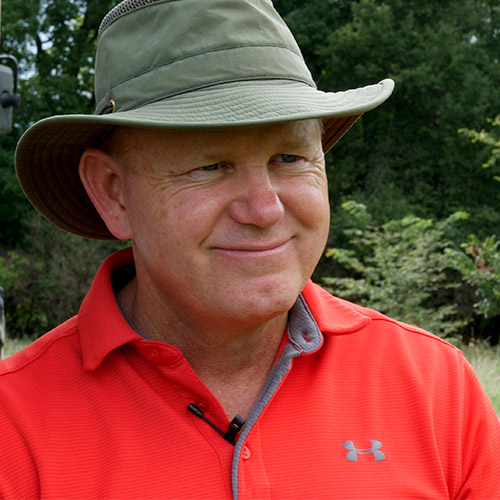
Allen Williams
Founding Partner, Understanding Ag and Regenified (USA)
Keynote Address and Paddock Walk
Allen Williams is a 6th generation family farmer and founding partner of Understanding Ag, LLC, and Regenified, LLC. He has consulted with thousands of farmers and ranchers in the U.S. and 45+ other countries, on operations ranging from a few acres to over 2 million acres.
He is a “recovering academic”, having served 15 years on the faculty at Louisiana Tech University and Mississippi State University. He has authored more than 400 scientific and popular press articles, and is an invited speaker at regional, national, and international conferences and symposia.
He has been featured in the Carbon Nation film series, “Soil Carbon Cowboys”, the Roots So Deep documentary series (Roots So Deep Documentary | Regenerative Farming And Climate), World Without Cows (Home – World Without Cows), Rethink Meat Docuseries, the Dr. Oz show, ABC Food Forecast News, A Regenerative Secret, the Farmer’s Footprint film series, the Sacred Cow film series, and TedX Boston (First, heal the soil | Allen Williams | TEDxBoston (youtube.com). He co-authored a book with Teddy Gentry, “Before You Have A Cow”. Allen is a regular contributor to several leading industry publications.
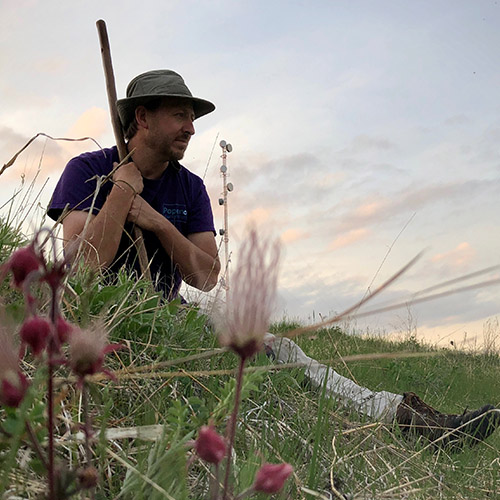
Dr Jonathan Lundgren
Executive Director, Ecdysis & CEO, Blue Dasher Farm
The Diversity of Life on Farm
Dr. Jonathan Lundgren is an agroecologist, Executive Director of Ecdysis Foundation, and CEO for Blue Dasher Farm.
His research and education programs focus on assessing the ecological risk of agricultural practices and developing long-term solutions for regenerative food systems. Jonathan received the Presidential Early Career Award for Science and Engineering by the White House and has served as an advisor for US and international regulatory and granting agencies.
One of his priorities is to make science applicable to end-users, and he regularly interacts with the public and farmers around the world regarding ecologically intensive farming and how biodiversity fuels the resilience and productivity of an agroecosystem and rural communities. His ecological research focuses heavily on conserving healthy biological communities within agroecosystems by reducing disturbance and increasing biodiversity.
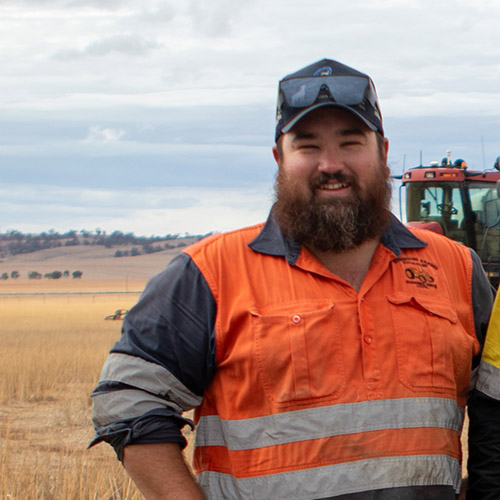
Tom Robinson
Producer, Robinson Family Farm
A Season on Robinson Farms
Tom Robinson farms alongside his wife, Cassi, and parents, Ashley and Kaylene, in Halbury, South Australia. They grow small grains (wheat, lentils, barley, peas, canola) in their mild winters with an annual rainfall of 13-17” in a Mediterranean climate. They use the appropriate application of plant nutrition to lower costs and maximise profitability. They also run a cow/calf and trade steer herd on land that needs a biological boost using mixed species crops and a rotational grazing system. Their business is a 100% no-till, controlled traffic farm with a focus on soil, plant and livestock health.’
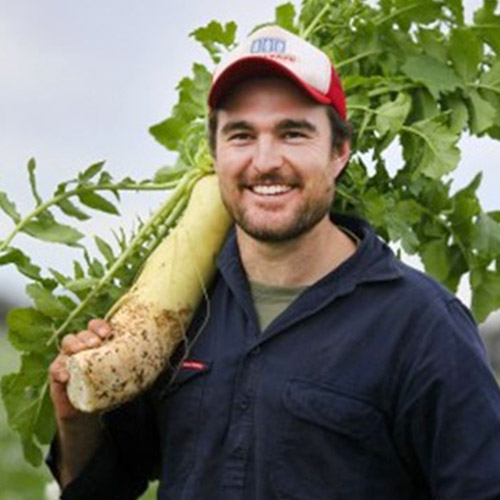
Grant Sims
No-till Producer, Pine Grove Victoria & Director, Downunder Covers
Soil Health: Where Science meets Practice
Grant Sims is a sixth-generation farmer based in North Central Victoria.
The Sims family farm – which is 8,500 acres of dryland and some irrigation – has been using no-till practices since the early 80’s thanks to Grant’s father and uncle. When Grant came back full time on the farm, he started looking at ways to improve the life and function of the soil through biology. In 2008 he stopped using granular synthetic fertilisers and started using a biologically made multi-mineral liquid fertiliser, which is now manufactured on farm. He has also reduced seed dressing, insecticides and fungicide use.
The Sims have a strong focus on diversity and grow many crops. Using companion and cover crops, and expanding their cow calf numbers to integrate through the system, they have seen many positive changes in the health of their soils and plants. They perform on-farm trials, and have an ethos of learning and sharing, with a goal to be more profitable and improve the soil for the next generation.
Through their newest venture – a multi-species seed business, DownUnder Covers – they work with experts to design multi-species blends to help improve the soil and enhance livestock performance.
In 2015 Grant was awarded the Coles Weekly Times Farmer of the Year. Grant is the former president of the Victorian No Till Famers’ Association.
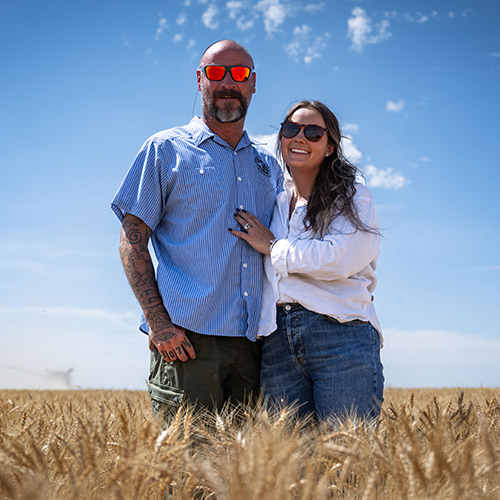
Ashley & Clint Jessen
Owner Operators, Jessen Regenerative Farms
The Jessen Wheat Story
Ashley and Clint are the husband-and-wife team behind Jessen Regenerative Farms, a fifth-generation operation grounded in heritage, innovation, and a deep commitment to soil health and community. Together, Ashley and Clint combine tradition with forward-thinking practices, ensuring that Jessen Regenerative Farms grows in a way that is both grounded and progressive.
The farm raises wheat, hay, lentils, and peas, all managed through regenerative methods that prioritize soil biology, biodiversity, and long-term land health. Their operation has always been 100% organic, continuing a legacy that stretches back generations. Rather than relying on chemicals, Ashley and Clint focus on practices that rebuild soil structure, protect water resources, and enhance ecosystem resilience across every acre.
A defining part of their work is operating the only 100% organic elevator in the state, located on the Union Pacific mainline. This unique position allows them not only to market and ship their own crops efficiently but also to serve as a critical hub for other organic producers in the region. Their elevator strengthens the organic supply chain, connecting clean, responsibly grown crops to larger markets with transparency and care.
Rooted in history and committed to regeneration, Jessen Regenerative Farms continues to grow with intention—always mindful of the land, the legacy, and the community that make it possible.
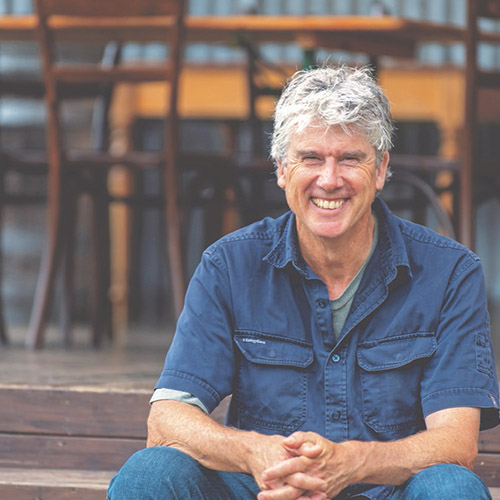
Matthew Evans
Food writer, television broadcaster and chef, Fat Pig Farm
Farming and food: rewriting the narrative
Matthew Evans is a Tasmanian food writer, television broadcaster and chef who lives and works on Fat Pig Farm, a soil-to-stomach regenerative farm and restaurant. He’s been the host of six series of Gourmet Farmer and two documentaries on SBS TV. A speaker who presents nationally and internationally, Matthew is the author of 15 books on food, including the On Eating Meat, and his latest cookbook, the updated and revised The Real Food Companion. His book SOIL is a hymn to the remarkable, and underappreciated bit of Earth that gifts us life. His most recent book, MILK, unpacks the truth and lies behind the original superfood. Matthew founded and curated the GROUNDED farm festival.
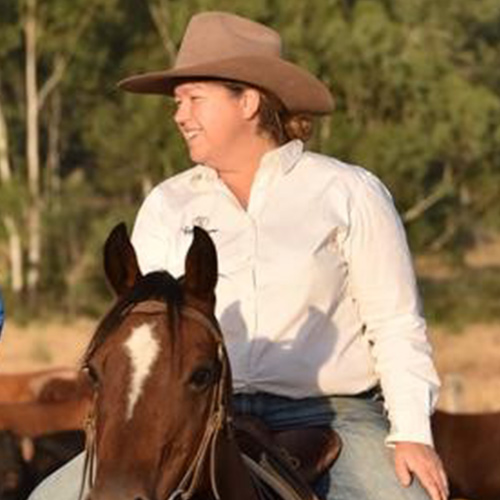
Josie Angus
Signature Beef
Corporate-led Regenerative Agriculture: Is the Tail Wagging the Dog?
Josie, her husband Blair Angus and their four adult children, have a focus on growing the best beef they can. Truly a paddock to plate enterprise, they breed, background, feed, process and market high quality beef to discerning customers in 30 countries around the world and home deliver Australia wide.
More than just a picture on a box, the Angus family has a focus on producing high quality beef, built through stockmanship, land management, genetics, craftsmanship and resource efficiency. Josie has a love of working with great people, cattle and horses. She is a vocal advocate for fellow cattle producers and the broader beef industry. Josie’s commitment to advancing the interests of her peers and promoting the beef industry’s growth underscores her influential role within the agricultural community.
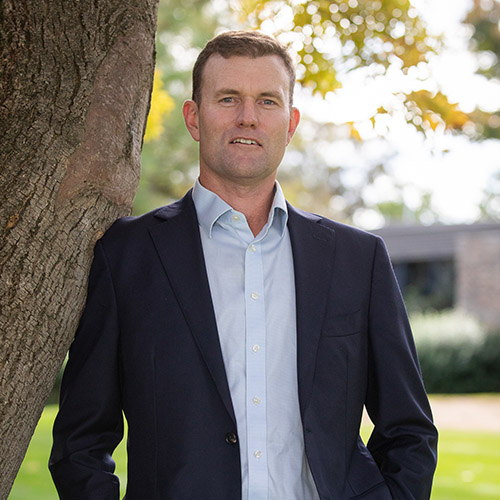
Michael Crowley
Managing Director, Meat & Livestock Australia
Panel: What’s next for our family farms?
Michael was raised on a beef cattle property at Barraba in northern New South Wales, where his family run a stud and commercial beef cattle operation. He holds a Bachelor of Rural Science degree from UNE and has a Post Graduate Certificate in Business Administration from QUT. He has had a long association with ICMJ going to back to 1997 where he competed as a student before becoming the Australian coach for 6 years and president of the association until 2012.
Michael has held a range of commercial positions in the meat and livestock industry including livestock procurement, processing, plant quality assurance, supply chain management, sales and marketing. Michael ran his own business marketing livestock, running beef processing for branded beef exporters and he held his own meat export license.
Michael worked for MLA for 14 years. He joined MLA in 2009 where he managed the Meat Standards Australia program. In 2012, he moved with his family to Brussels taking on the role of International Business Manager for EU and Russia with MLA. He returned from Brussels in 2015 as the Program Manager – Meat Standards Australia and joined MLA’s Executive Team in 2016 where he was the General Manager Research, Development and Adoption. This business unit was responsible for investments in RD&A across the supply chain including livestock genetics, on farm productivity, eating quality, sustainability innovation, automation, objective measurement, market access science and product innovation.
More recently, Michael was the CEO of Herefords Australia where he worked with the seedstock sector to drive commercial outcomes for all customers along the beef supply chain.
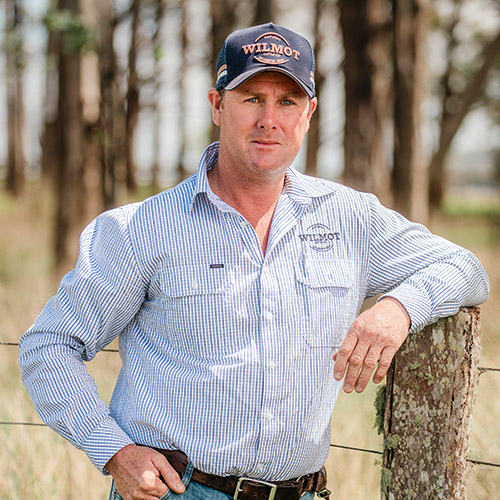
Shane Curtis
Group Operations Manager, Wilmot Cattle Co.
The Wilmot Paddock Experience
With more than 27 years’ experience in agriculture, Shane Curtis built his career in the central west of NSW, working across large-scale sheep, cattle, and broadacre cropping operations. This experience fostered a deep appreciation for the connection between soil ecology, pasture health, and long-term productivity. A strong advocate for maintaining ground cover and soil function, Shane has seen firsthand the benefits of high-density, long-rest-period grazing systems. In July 2022, he joined Wilmot Cattle Co., where he is based at Paradise Creek Station southeast of Inverell.
Shane is passionate about best-practice agriculture and continuously seeks ways to increase the production and profitability of natural grassfed beef while delivering positive environmental outcomes. His interests span soil ecology and carbon building, pasture diversity, animal psychology, and developing a positive staff culture that supports an environmentally, socially, and financially resilient business.
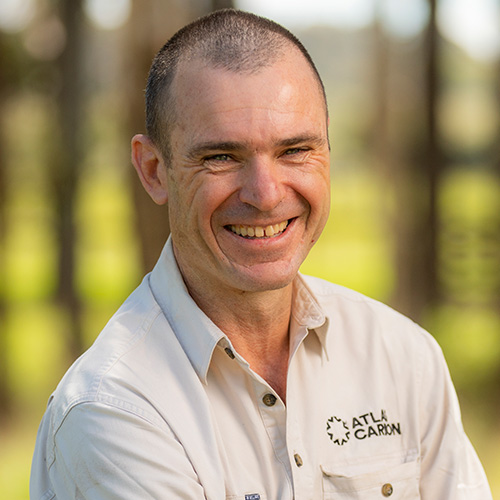
Bart Davidson
Product Development, Atlas Grazing & Maia Technology
Grazing meets Tech (in field session)
Bart is a system thinker grounded in agricultural production. As a consultant for more than 25 years across a diverse range of farming operations, Bart has developed a system based approach, relying on principle, to work with and train land managers in the development of and reporting to farm management plans.
Principally, he focuses on uncovering the core problems in each farming system rather than dealing with symptoms. His strength is uncovering soil and plant nutrition priorities, to leverage profit and sustainability results. Bart has comprehensive experience throughout the agriculture sector, ranging from low input certified organic systems through to high input, intensive dairy and irrigated cotton and grains, with the focus of recent years being the grazing sector.
Bart has developed training workshops for various NRM organisations, the Australian Land Management Group (ALMG) and individual farmer groups to better understand their soil, plant, animal nutrition and grazing data, practices and outcomes.
In parallel, Bart serves as Chief Grazing Officer at Atlas Carbon, where he applies grazing-systems expertise and data analysis to link grazing decisions to pasture productivity, soil function and soil carbon outcomes. His work connects paddock-level grazing history, soil chemistry and soil carbon change, giving land managers clearer evidence chains between management and landscape response.
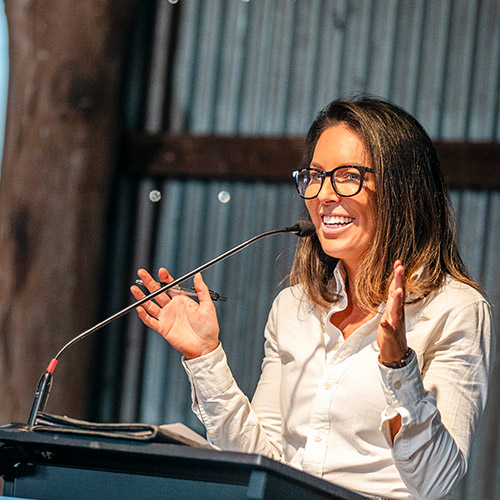
Lyndsey Douglas
Editor-in-Chief, Writers Who
Event MC
Lyndsey is the editor-in-chief at agricultural content agency Writers Who, bringing her journalism expertise to lead an all-female team of 14 rural journalists who create compelling written and spoken content while living on the land.
Her recognisable voice anchors agricultural events across Australia, from major exhibitions like WagyuEdge, World Angus Forum, Queensland AgTech Summit, Wilmot Field Day, Ekka, Sydney Royal Easter Show, Melbourne Royal Show, Royal Adelaide Show and Canberra Royal, to smaller rural gatherings in communities from Alpha in Central Queensland to Condobolin in Western NSW.
She pioneered live agricultural broadcasting as host of the industry-first Beef TV and hosts the wagyu breed podcast “Beyond the Marbling”. Lyndsey’s leadership extends to her roles as former chairman of Australian Wool Innovation’s consultation panel, NSW Rural Ambassador, and founding director of Agricultural Shows Australia.
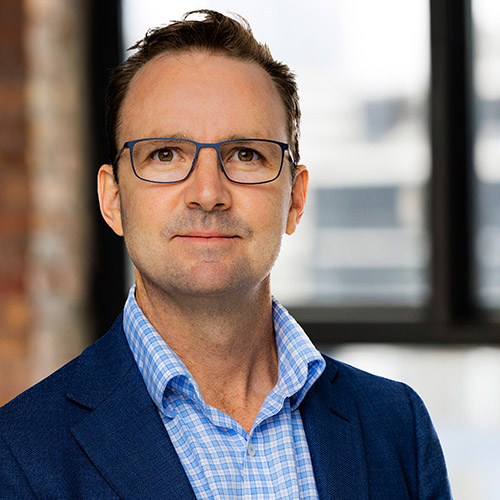
Connor FitzGerald
Chief Commercial Officer, Fulton Market Group
Corporate-led Regenerative Agriculture: Is the Tail Wagging the Dog?
Connor FitzGerald is Chief Commercial Officer at FMG Global and a member of the Executive Leadership Team. Since joining FMG in 2019 to establish its Australian operations, Connor has played a key role in the company’s global growth—guiding commercial strategy through one of the most volatile periods in beef supply chain history.
As CCO, Connor leads the development and execution of FMG’s commercial strategies across all global regions. He is responsible for identifying growth opportunities, expanding strategic partnerships, and ensuring alignment across the McDonald’s supply chain to deliver long-term value.
Connor brings over 20 years of experience in Australia’s red meat supply chain, spanning operational management, market analysis, export trading, new product development, and financial risk management. His extensive background across both supply and commercial functions equips him with a deep understanding of global protein markets and customer expectations.
He holds a Bachelor of Rural Science from the University of New England and a Post-Graduate Diploma of Applied Finance. At FMG Global, Connor combines commercial leadership with operational insight to drive sustainable growth, global collaboration, and resilient supply outcomes for McDonald’s.
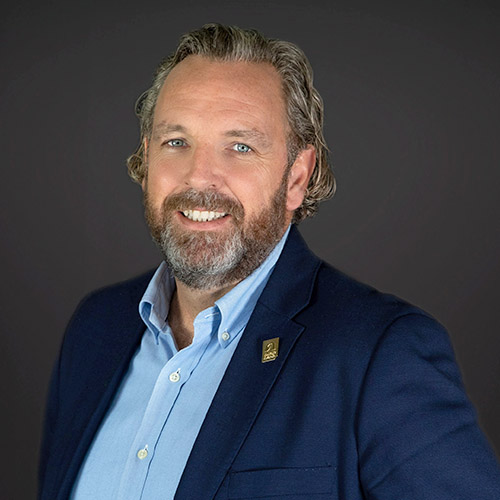
Brendan Foran
Chair, GreenCollar
Repair and Reward: Australia’s Environmental Markets
Brendan is Chair of GreenCollar, Australia’s largest environmental markets investor and project developer, AustraHort, a major Australian seed supplier, the Advisory Board at AirSeed and sits on the Boards of Landcare Australia, The Talia Institute and the Australian Government’s Nature Repair Committee. He also provides strategic advisory and coaching services to Boards and Executives working in and across the environment sector via the Hone Collective where he is Executive Chair and Co-Founder.
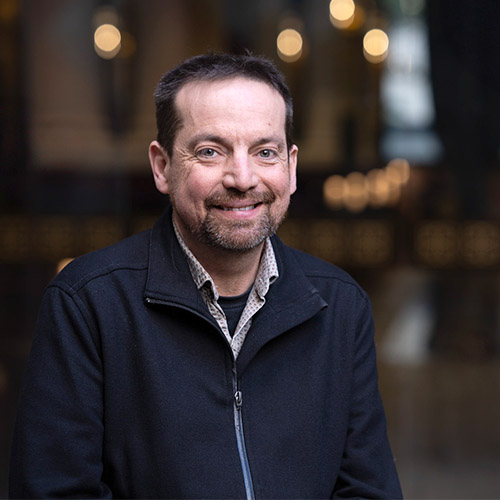
Ben Hayes
Research Director, ZNE Ag CRC
The Future of Family Farms
Professor Ben Hayes is a renowned researcher in the field of genetic improvement of livestock, crops, pastures, and aquaculture species. Ben is the Research Director at Zero Net Emissions Agriculture CRC and is responsible for overseeing the delivery of trail-blazing projects to reduce emissions from Australian agriculture.
Ben is the co-inventor of genomic prediction, a revolutionary technology that has transformed livestock and crop breeding. This technique is now widely used to predict future trait outcomes in various species, including dairy cattle. Thanks to this work, nearly every dairy bull chosen worldwide is selected based on genomic predictions, leading to remarkable improvements in key traits.
Ben has a long history with CRCs – he did his PhD with the first Beef CRC in Rockhampton, was a researcher in the second and third Beef CRCs and the Sheep CRC, and was a program leader in the Dairy Futures CRC, which received the Cooperative Research Centres Association (CRCA) Award for Excellence in Innovation. Ben is a Clarivate highly cited researcher (2020-2023).
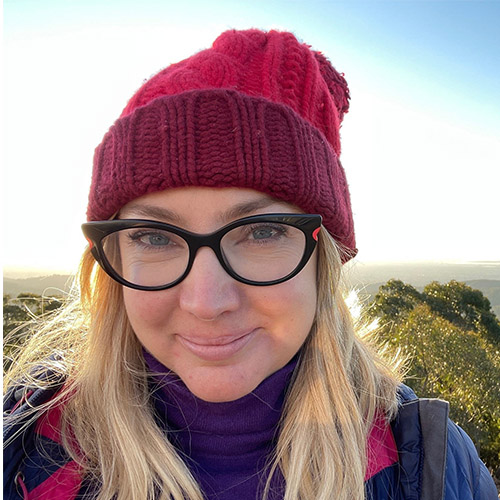
Claire Kneller
General Manager , Australia, Leading Harvest
Panel: What’s next for our family farms?
Claire is a circular economy and food systems expert with over 20 years’ experience in the UK and Australia. She’s worked with partners from around the world, from Apple to the UN, on projects with CEOs, ministers, shelf stackers, and waste pickers. She grew up on farming country which has given her a healthy respect for the power of nature, and specifically geese.
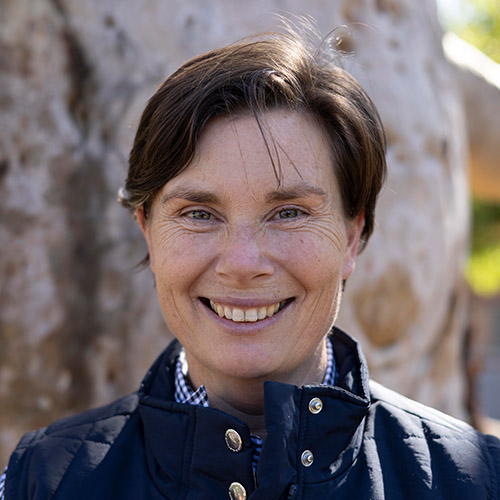
Rachel Lawrence
Natural Capital Advisor – Northern Tablelands LLS
Repair and Reward: Australia’s Environmental Markets
Rachel has diverse experience in agroecology and sustainable and regenerative agriculture. That experience includes her current role as Natural Capital Advisor in Northern Tablelands Local Land Services. She is part of the core Farming for the Future team and has been involved in projects supporting farmers to implement Integrated Pest Management (grains industry), large-scale locust control/management, and as an ecologist in forest health (Qld DPI). Rachel completed her Doctoral Thesis at the University of New England investigating natural capital outcomes under a range of grazing management approaches (2019) and has a Permaculture Design Certificate.
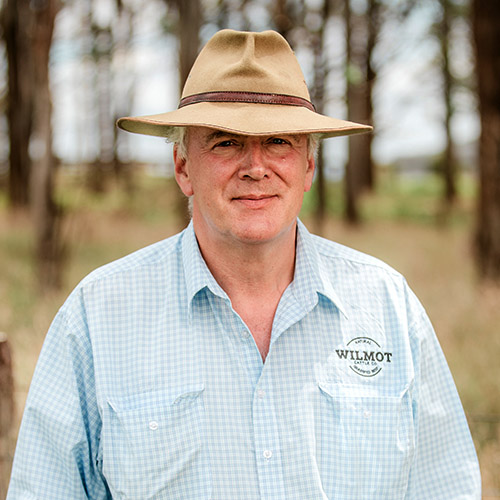
Alasdair MacLeod
Executive Chairman, Macdoch Group
Opening Address
Alasdair MacLeod is Executive Chairman of the Macdoch Group.
Macdoch comprises a group of innovative entities striving to show how a resilient agricultural sector builds natural capital and contributes to global climate solutions. These entities are Impact Ag Australia, Atlas Carbon, Macdoch Ventures, Macdoch Foundation, and Wilmot Field Day – each with a clear and distinct vision and objectives.
Macdoch invests in agricultural land, the development of technology, advisory businesses, and philanthropy. Investments seek to provide the tools, advice, data, and test cases to build natural capital and a climate resilient future.
Alasdair is also Chairman of Soils for Life, a not-for-profit organisation which aims to encourage the adoption of regenerative farming by showcasing and supporting farmers that are undergoing change to their management practices.
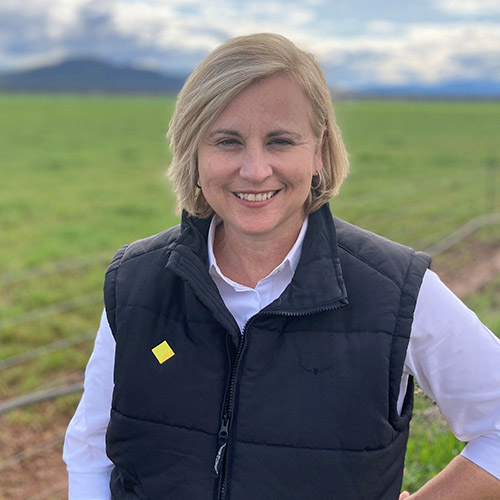
Carmel Onions
Executive Manager – Agribusiness & Sustainability, CBA
The Future of Family Farms
Carmel is the Executive Manager of Agribusiness Sustainability at the Commonwealth Bank and leads CBA’s work supporting farmers navigate the issues and opportunities in sustainability, with strategic initiatives such as Australian agriculture’s first Agri Green Loan. Carmel is an advocate for the profitability and resilience benefits for farmers from natural capital enhancements and low net emissions farming. She holds a Bachelor of Agricultural Economics Hons I from the University of Sydney and is a Director on the Board of Soils for Life.
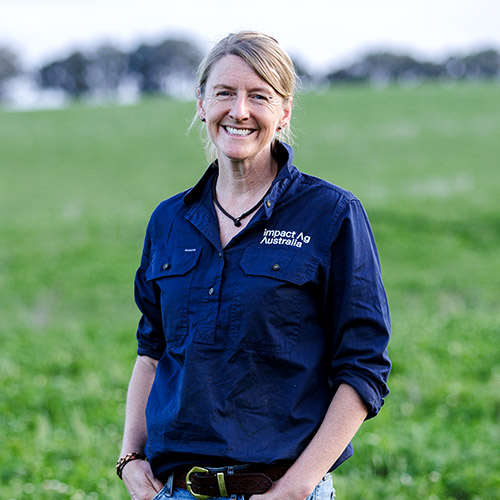
Dr Susan Orgill
Chief Scientist, Impact Ag Australia
Soil Labs interactive session
Dr Susan Orgill is a leading Australian soil scientist with over 20 years’ experience in research, policy, sustainability, and regenerative agriculture. As Chief Scientist at Impact Ag Australia, she specialises in soil health, carbon farming, and climate-resilient agriculture. Dr Orgill has led national and international R&D projects, developed soil carbon methodologies, and contributed to global sustainability initiatives. Her work delivers science-backed solutions that enhance productivity, resilience, and natural capital outcomes.
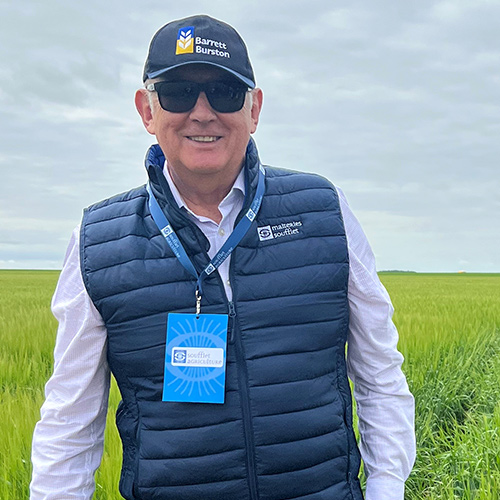
Philip Robinson
Barrett Burston Malting
Corporate-led Regenerative Agriculture: Is the Tail Wagging the Dog?
Philip Robinson has had a diverse 30-year career with high profile global and Australian organisations where he has established a track record of leading businesses and teams to succeed in demanding and rapidly changing environments.
Most recently, Philip was President for Asia-Pacific for Soufflet Malt, the world’s largest maltster that processes approximately 4.5 million tonnes of grain each year through 40 locations across the globe. Philip was a member of Soufflet’s global executive team, and his responsibilities encompassed the Barrett Burston Malting and Cryer Malt businesses in Australia and Soufflet in India. With annual revenues exceeding $250m, more than 60% of the malt produced was exported to the major brewers and distillers throughout the Asia Pacific region. These included Heineken, Asahi, Krin, Suntory and Sapporo and Orion in Japan, Boon Rawd and Thaibev in Thailand, Sabeco in Vietnam and Hite in Korea.
Philip’s earlier career comprised significant operational and strategic roles across the agri-food industry, which includes time as Brewing Manager at Tooheys and leadership of a significant transformation program at Lion Nathan Brewing. He was also the General Manager for Supply Chain and Operations Development at the Dairy Farmers Co-Operative and held various supply chain and strategy development roles at Cadbury/Kraft Foods.
Philip is a qualified Chemical Engineer, completed his MBA at INSEAD in France, one of the world’s leading business schools, and is a member of the Australian Institute of Company Directors. He is is a proud volunteer surf lifesaver at Dee Why beach in Sydney..
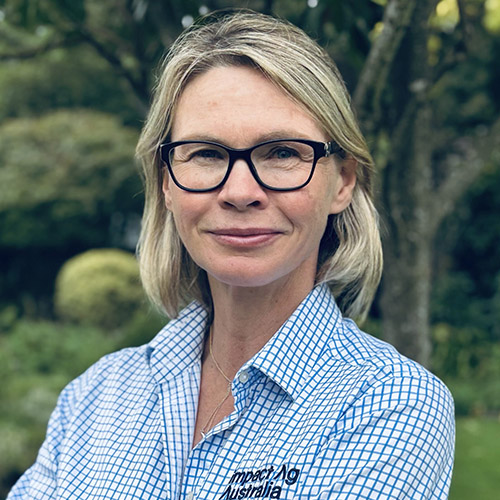
Sara Schmude
Natural Capital Project Manager, Impact Ag Australia
Cavan case study
Sara is a Natural Capital Specialist with over 15 years of experience in resource management and sustainable land practices. She is skilled in assessing, implementing, and managing a wide range of natural capital projects, from soil carbon initiatives to biodiversity assessments and development programs. Sara has led several carbon and natural capital projects across both regulated and private markets, driving project origination and engaging directly with landholders. Leveraging her deep expertise in regenerative agriculture and natural capital markets, she plays a key role in developing and customising nature-based solutions that deliver long-term environmental and financial outcomes.
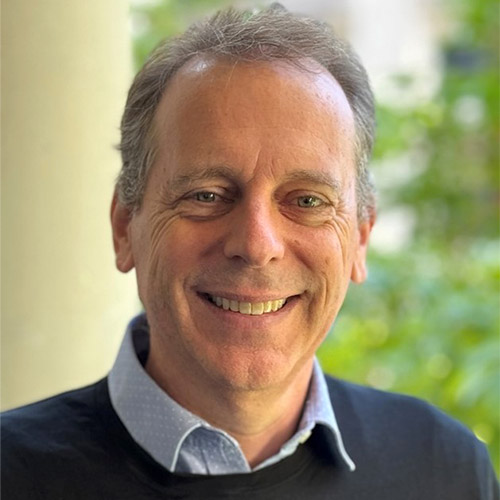
Goslik Schepers
CEO, Eco-Markets Australia
Repair and Reward: Australia’s Environmental Markets
A skilled executive, investor, and board director with deep experience in commercialisation, finance and investment. Proven track record in successfully founding and leading multiple start-up and scale-up companies in the healthcare sector, focusing on translating science into commercial ventures. Direct management experience in IP commercialisation, stage-appropriate corporate governance, and attracting and managing investment funds, Dr Schepers is now focussing this financial and entrepreneurial acumen to the new field of natural capital management and investment to drive sustainable impact with greater recognition of, and value in, nature.
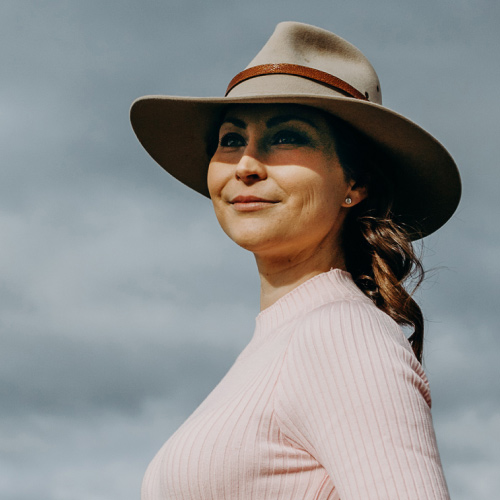
Steph Trethewey
Founder & CEO, Motherland
Charity Partner Dinner Speaker
Stephanie Trethewey is the 2024 Australian of the Year for Tasmania. She’s a visionary leader who has transformed personal challenges into a nationwide movement to support rural mothers across Australia.
Steph is a seasoned television journalist who has reported and produced for some of the country’s biggest news and current affairs programs. In 2019, soon after having her first child, she swapped the city for the country and moved to rural Tasmania. The transition was both a brutal and beautiful journey, and Steph’s struggles with postnatal depression and isolation inspired the creation of Motherland, a national charity that supports rural mothers, reducing isolation and improving mental health outcomes for women on the land.
Steph’s weekly podcast, Motherland, has been downloaded over 1.2 million times, and Motherland Village, Australia’s first online rural mother’s group program, has connected hundreds of rural women to their own personalised support group. In 2022, Stephanie was named the national winner of the AgriFutures Rural Women’s Award and in 2023, she celebrated the release of her debut book, Motherland.
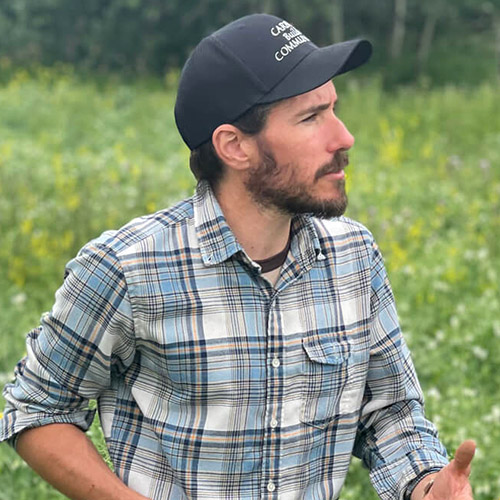
Joel Williams
Soil Health Educator, Integrated Soils
Soil Health: Where Science meets Practice
Joel Williams is an independent plant and soil health educator and consultant who has worked extensively in Australia, Europe and Canada where he is currently based. He has a keen interest in soil health, plant nutrition and plant and soil microbiomes, and how these may support the development of sustainable production systems.
Joel has a Bachelor of Agricultural Science specialising in plant and soil dynamics and an MSc in Food Policy where he explored motivations and barriers to the adoption of intercropping. Joel has a passion for teaching and sharing a combination of scientific and practical information and has lectured to farming audiences internationally.
Kierin Wilson
Farm Manager, Wilmot Cattle Co.
The Wilmot Paddock Experience
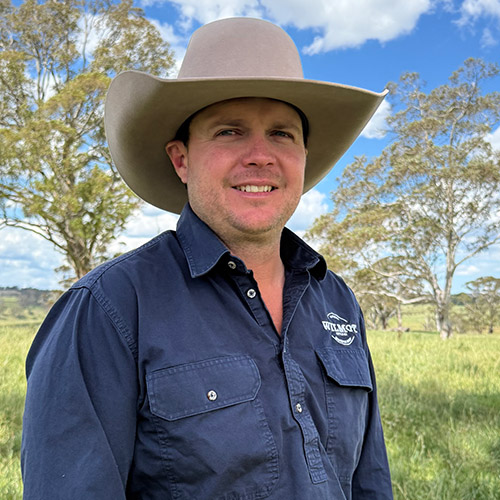
Kierin Wilson is the Property Manager at Wilmot, where he oversees day-to-day operations and long-term land management across the property. Born and raised on a cattle property in central Queensland, Kierin brings a lifelong connection to the land and a passion for sustainable agriculture to his work.
With a strong background in pasture management and livestock husbandry, he plays a key role in implementing innovative grazing systems and data-driven management practices that enhance productivity, resilience, and environmental outcomes. Kierin thrives on the business challenge of balancing profitability with sustainability — continually seeking ways to improve efficiency while supporting the long-term health of the landscape.
Amanda Young
Events & Community Manager, Atlas Carbon
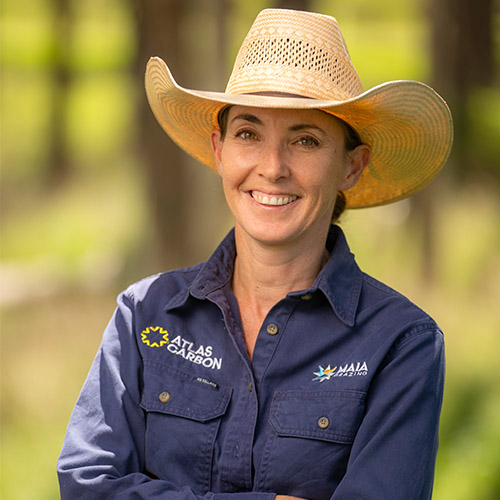
Amanda Young is a beef cattle producer across two properties in north-west New South Wales and serves as Events & Community Manager at Atlas Carbon. With a corporate background in property development and construction, technology, communications and the automotive industry, Amanda made the transition to agriculture 15 years ago and brings a unique blend of business acumen, storytelling, and on-farm experience.
Amanda is deeply committed to strengthening connections across the agricultural community. Through her work with Atlas Carbon, she helps producers access the knowledge and networks needed to navigate change, adopt practical solutions, and enhance the long-term sustainability of their businesses.
Courtney Young
Peer Learning Manager, Soils for Life
A Season on Robinson Farms
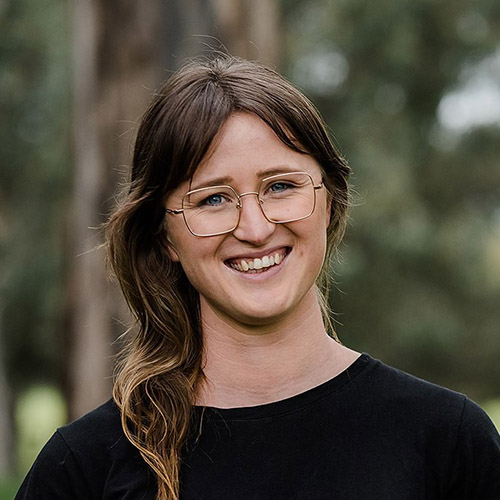
Courtney Young is the Peer Learning Manager at Soils for Life. She is a community builder, farmer and advocate for agroecology and regenerative grain growing. Courtney co-founded Woodstock Flour with her husband, Ian, where they grow and mill organic grain in Rutherglen, Victoria. She is a committee member of GrAiNZ and recently completed the Integrity Soils CREATE agroecological coaching program. Courtney brings a creative, systems focused approach to her work, supported by a Bachelor of Environments from the University of Melbourne. She is driven to support farmers and rural communities, and sees food and farming as powerful levers for environmental and social change.